
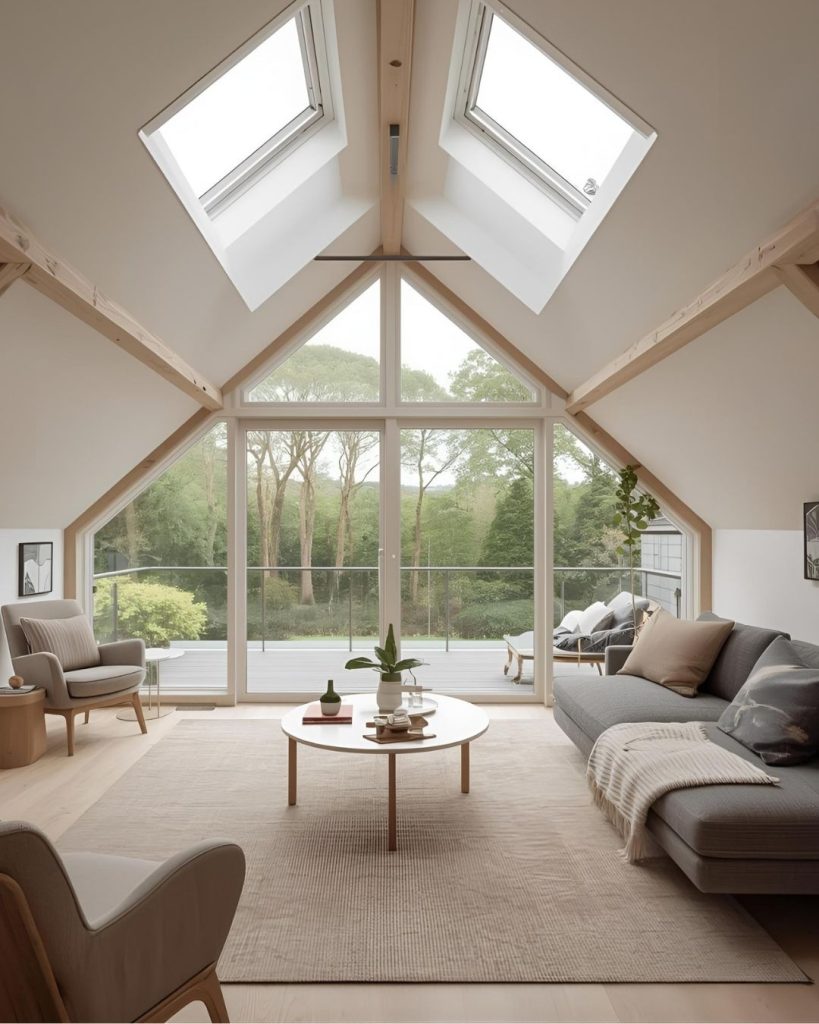
Is a Loft Conversion Worth It in Lincoln? Costs, Benefits & What to Know
If your home is starting to feel cramped, a loft conversion is often one of the first options homeowners consider. For many households in Lincoln, converting an unused loft can provide valuable additional living space without the expense and stress of moving home.
But is a loft conversion in Lincoln always worth it? The answer depends on your property, budget, and long-term plans. In this guide, we explore the real costs of loft conversions in Lincoln, the benefits they offer, planning considerations, potential drawbacks, and how to decide whether a loft conversion is the right investment for your home.
Why Loft Conversions Are Popular in Lincoln
Lincoln has a broad mix of property styles, including traditional terraces, semi-detached family homes, and newer developments. Many of these properties have underused lofts that can be converted into practical, comfortable living spaces.
Homeowners are increasingly choosing loft conversions because they:
- Add usable space without extending the footprint
- Preserve garden space
- Often cost less than ground-floor extensions
- Can be completed with less disruption than moving
With rising property prices and limited availability of larger homes, loft conversions offer a practical way to adapt existing properties to changing family needs.
What Can You Use a Loft Conversion For?
A loft conversion can be adapted to suit a wide range of uses depending on your household.
Common uses include:
- Additional bedrooms
- Home offices
- Guest rooms
- Children’s rooms or play areas
- Hobby or creative spaces
For families, loft conversions often provide the extra bedroom needed as children grow. For those working from home, they offer a quiet, separate space away from daily household activity.
How Much Does a Loft Conversion Cost in Lincoln?
Cost is one of the biggest deciding factors when considering a loft conversion.
Typical Loft Conversion Costs
As a general guide, loft conversions in Lincoln may cost:
- Velux (rooflight) conversion: £30,000 – £45,000+
- Dormer loft conversion: £45,000 – £65,000+
- Hip-to-gable conversion: £55,000 – £75,000+
- Mansard conversion: £65,000 – £90,000+
Prices vary depending on the size of the loft, structural requirements, access, and level of finish. Adding a bathroom or bespoke storage will increase costs.
What Factors Affect Loft Conversion Costs?
Several elements influence the final cost of a loft conversion:
Roof Structure & Head Height
Some lofts require additional structural work or floor strengthening, which can increase costs.
Type of Conversion
Simple Velux conversions are generally more affordable, while dormer or mansard conversions require more extensive alterations.
Staircase Design
Installing a compliant staircase can impact both layout and cost, especially in smaller properties.
Plumbing & Bathrooms
Adding an en-suite increases complexity and overall budget.
Finishes & Storage
Flooring, lighting, wardrobes, and custom joinery all affect final costs.
Planning Permission & Building Regulations
Do Loft Conversions Need Planning Permission?
Many loft conversions fall under permitted development, meaning planning permission may not be required. However, planning permission is more likely if:
- Volume limits are exceeded
- The roof shape is altered significantly
- The property is in a conservation area
- Previous extensions have already been added
It’s important to check requirements before work begins.
Building Regulations Approval
Regardless of planning permission, building regulations approval is always required. This ensures the conversion meets standards for:
- Structural safety
- Fire protection
- Insulation and energy efficiency
- Staircase access
Compliance is essential for safety, insurance, and future property sales.
How Long Does a Loft Conversion Take?
Most loft conversions take around 8–12 weeks once construction begins. Timescales vary depending on complexity, weather conditions, and access.
Compared to ground-floor extensions, loft conversions are often completed more quickly, making them an appealing option for homeowners who want additional space without a lengthy build.
How Disruptive Is a Loft Conversion?
One of the advantages of loft conversions is reduced disruption.
Typical benefits include:
- Much of the work is carried out from the roof
- Limited impact on kitchens and living areas
- Homeowners can usually stay in the property
With good planning and project management, disruption can be kept to a minimum throughout the build.
Does a Loft Conversion Add Value to a Home?
In many cases, a loft conversion can significantly increase property value. A well-designed conversion can add 10–20% to a home’s value, depending on location and quality.
Adding an extra bedroom or office often makes a property more attractive to buyers. However, value depends on:
- Quality of workmanship
- Compliance with regulations
- Layout and practicality
- Balance with the rest of the property
Over-developing a property beyond what’s typical for the area can reduce returns, so careful planning is key.
Loft Conversion vs House Extension
Many homeowners compare loft conversions with house extensions before deciding.
Loft Conversions:
- Preserve garden space
- Often lower cost
- Faster build times
- Ideal for bedrooms and offices
House Extensions:
- Better for kitchens and living areas
- Offer more layout flexibility
- Can be more disruptive
- Typically higher overall cost
For many Lincoln homes, loft conversions offer the best balance of cost, space, and minimal disruption.
When a Loft Conversion Might Not Be Worth It
While loft conversions suit many homes, they’re not always the best option. A loft conversion may not be suitable if:
- Head height is insufficient
- Roof structure is unsuitable
- Planning restrictions apply
- Costs outweigh potential benefits
In these cases, alternatives such as extensions or internal reconfiguration may be more appropriate.
Choosing the Right Type of Loft Conversion
Selecting the right conversion type is essential to maximise value and usability.
- Velux conversions suit simpler upgrades
- Dormer conversions provide extra headroom and floor space
- Hip-to-gable conversions suit certain roof types
- Mansard conversions offer maximum space but at higher cost
Professional advice helps ensure the right option is chosen for both property and budget.
Is a Loft Conversion Worth It for Lincoln Homeowners?
For many homeowners, the answer is yes. Loft conversions offer:
- Additional living space without moving
- Strong value for money
- Improved property usability
- Long-term investment potential
When designed and built properly, a loft conversion can transform how a home is used and enjoyed.
Final Thoughts
A loft conversion can be a smart investment for Lincoln homeowners looking to add space, comfort, and long-term value. While costs and suitability vary, careful planning and professional guidance help ensure the project delivers lasting benefits.
Understanding costs, regulations, and realistic outcomes is the first step toward deciding whether a loft conversion is the right solution for your home.